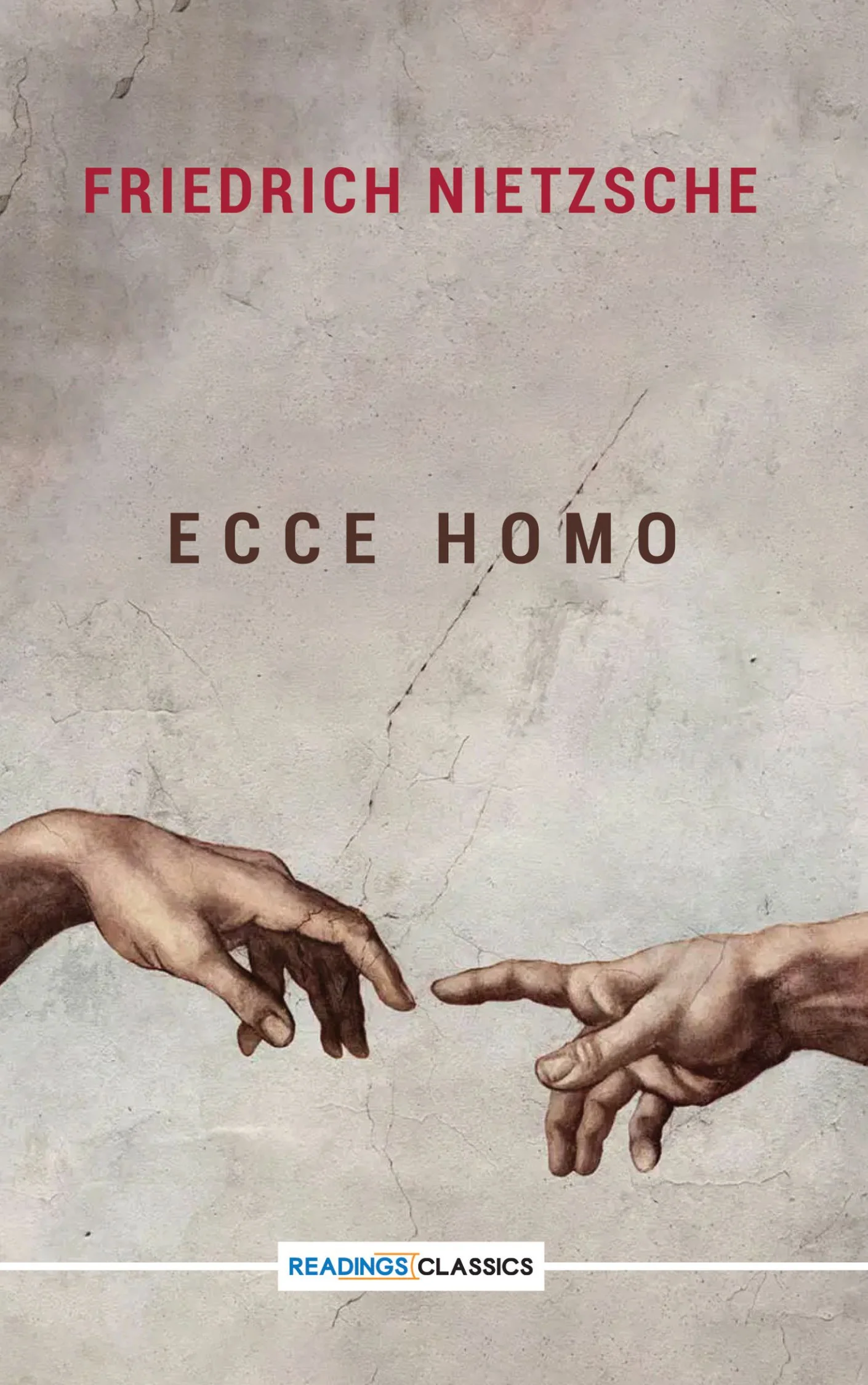
Ecce Homo: How One Becomes What One Is (Classics)
Ecce Homo stands as a profound self-portrait and philosophical manifesto, providing a unique glimpse into the mind of the renowned German thinker. In this introspective work, Nietzsche reflects on his life, works and the evolution of his philosophical ideas. Unapologetically bold and candid, he explores the genesis of his groundbreaking concepts, such as the Übermensch and eternal recurrence. Ecce Homo serves as a testament to Nietzsche s intellectual prowess and unwavering commitment to questioning conventional wisdom. This self-examination showcases Nietzsche s unparalleled ability to articulate complex philosophical concepts, making it an indispensable read for scholars and enthusiasts alike.
About the Author
Friedrich Nietzsche was a German philosopher and a cultural critic. He was born on October 15, 1844, in Rocken, Saxony, Kingdom of Prussia. His works criticise the traditional European morality, religious values as well as conventional philosophical ideas associated with modernity. He is often seen as a predecessor to late modern thinkers like Marx and Freud, because of his psychological analyses of false consciousness. He proposed many original theories positing an alternative morality and ideas which would bring forth a cultural renewal. His notable works include The Birth of Tragedy out of the Spirit of Music (1872), The Gay Science (1882), Thus Spoke Zarathustra (1883–5), Beyond Good and Evil (1886), On the Genealogy of Morality (1887), Twilight of the Idols (1888) and The Wagner Case (1888). In 1889, Nietzsche suffered a mental breakdown. Eleven years later, he died on August 25, 1900, in Weimar, German Empire.
Original: $2.49
-70%$2.49
$0.75Ecce Homo: How One Becomes What One Is (Classics)
Ecce Homo stands as a profound self-portrait and philosophical manifesto, providing a unique glimpse into the mind of the renowned German thinker. In this introspective work, Nietzsche reflects on his life, works and the evolution of his philosophical ideas. Unapologetically bold and candid, he explores the genesis of his groundbreaking concepts, such as the Übermensch and eternal recurrence. Ecce Homo serves as a testament to Nietzsche s intellectual prowess and unwavering commitment to questioning conventional wisdom. This self-examination showcases Nietzsche s unparalleled ability to articulate complex philosophical concepts, making it an indispensable read for scholars and enthusiasts alike.
About the Author
Friedrich Nietzsche was a German philosopher and a cultural critic. He was born on October 15, 1844, in Rocken, Saxony, Kingdom of Prussia. His works criticise the traditional European morality, religious values as well as conventional philosophical ideas associated with modernity. He is often seen as a predecessor to late modern thinkers like Marx and Freud, because of his psychological analyses of false consciousness. He proposed many original theories positing an alternative morality and ideas which would bring forth a cultural renewal. His notable works include The Birth of Tragedy out of the Spirit of Music (1872), The Gay Science (1882), Thus Spoke Zarathustra (1883–5), Beyond Good and Evil (1886), On the Genealogy of Morality (1887), Twilight of the Idols (1888) and The Wagner Case (1888). In 1889, Nietzsche suffered a mental breakdown. Eleven years later, he died on August 25, 1900, in Weimar, German Empire.
Product Information
Product Information
Shipping & Returns
Shipping & Returns
Description
Ecce Homo stands as a profound self-portrait and philosophical manifesto, providing a unique glimpse into the mind of the renowned German thinker. In this introspective work, Nietzsche reflects on his life, works and the evolution of his philosophical ideas. Unapologetically bold and candid, he explores the genesis of his groundbreaking concepts, such as the Übermensch and eternal recurrence. Ecce Homo serves as a testament to Nietzsche s intellectual prowess and unwavering commitment to questioning conventional wisdom. This self-examination showcases Nietzsche s unparalleled ability to articulate complex philosophical concepts, making it an indispensable read for scholars and enthusiasts alike.
About the Author
Friedrich Nietzsche was a German philosopher and a cultural critic. He was born on October 15, 1844, in Rocken, Saxony, Kingdom of Prussia. His works criticise the traditional European morality, religious values as well as conventional philosophical ideas associated with modernity. He is often seen as a predecessor to late modern thinkers like Marx and Freud, because of his psychological analyses of false consciousness. He proposed many original theories positing an alternative morality and ideas which would bring forth a cultural renewal. His notable works include The Birth of Tragedy out of the Spirit of Music (1872), The Gay Science (1882), Thus Spoke Zarathustra (1883–5), Beyond Good and Evil (1886), On the Genealogy of Morality (1887), Twilight of the Idols (1888) and The Wagner Case (1888). In 1889, Nietzsche suffered a mental breakdown. Eleven years later, he died on August 25, 1900, in Weimar, German Empire.